Table of Contents
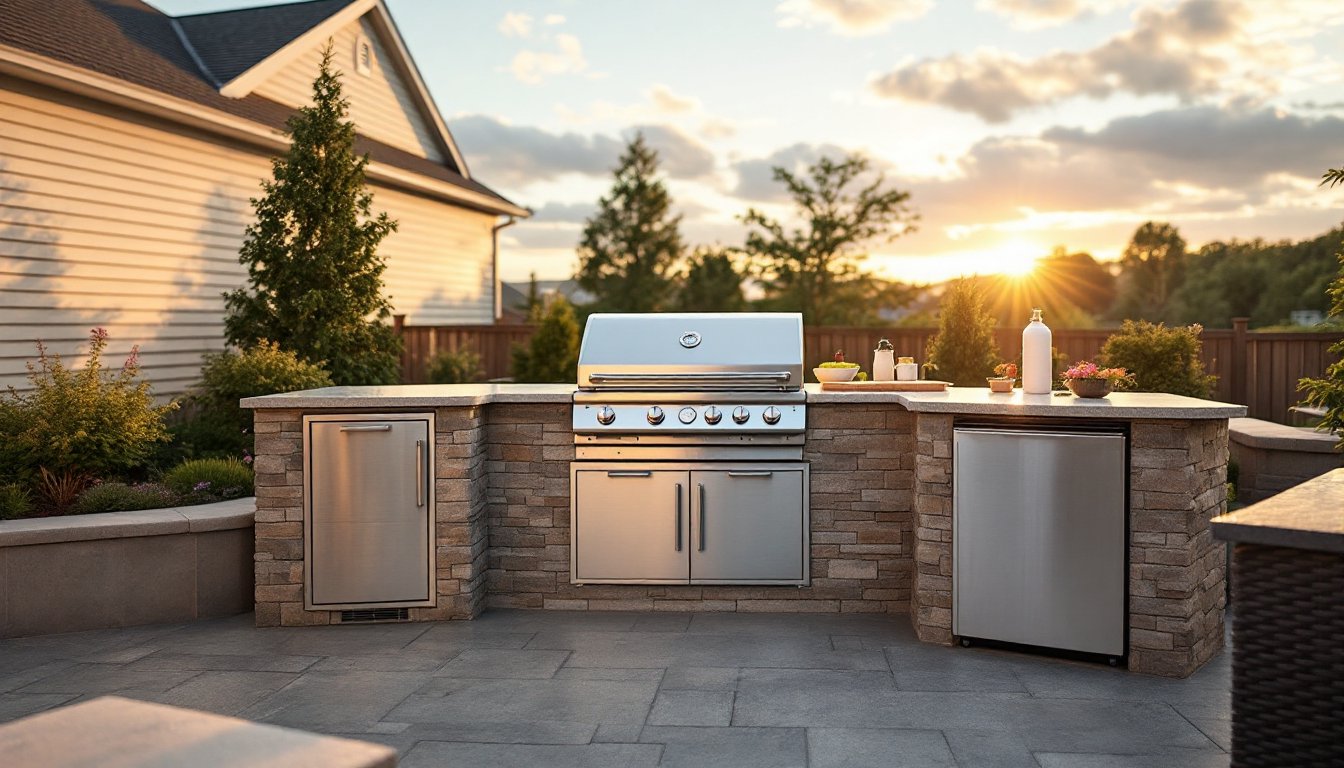
ToggleAn outdoor kitchen shed transforms a backyard from idle storage into a functional entertaining hub. Unlike a simple grill station, a dedicated outdoor kitchen shed provides weatherproof shelter, prep space, and storage for cooking equipment while keeping insects and weather at bay. Whether someone wants to entertain year-round, increase home value, or simply enjoy cooking outdoors, an outdoor kitchen shed bridges the gap between indoor convenience and outdoor living. In 2026, these structures have evolved beyond basic shelter, they’re insulated, properly ventilated, and designed to withstand seasonal changes. This guide walks through what makes an outdoor kitchen shed work, what features matter most, and how to plan one that fits both the backyard and the budget.
What Is an Outdoor Kitchen Shed?
An outdoor kitchen shed is a roofed, partially or fully enclosed structure designed to house cooking equipment, storage, and food prep surfaces in a weatherproof environment. Think of it as a covered pavilion evolved into a proper workspace, it has walls (full or partial), ventilation for smoke and heat, and electrical outlets for appliances and lighting.
It differs from a simple canopy or pergola because it offers genuine weather protection year-round. The structure typically includes overhead coverage to shield from rain and sun, with walls that can be solid, screened, or removable panels depending on climate and preference. Most outdoor kitchen sheds sit on a concrete slab or gravel base, elevated slightly for drainage. They range from modest 8′ × 10′ shelters to sprawling 20′ × 16′ compounds with full kitchens, depending on space, budget, and intended use. The key distinction is purpose: it’s built specifically to support cooking and entertaining, not just storage.
Key Benefits of Installing an Outdoor Kitchen Shed
A dedicated outdoor kitchen shed extends living space without the cost and time of a full home addition. It lets someone cook outdoors without compromising comfort, no more grilling in the rain or losing food prep to insects. The structure protects appliances from UV damage and weathering, extending their lifespan significantly compared to fully exposed setups.
Entertaining becomes easier because guests stay comfortable while food is being prepared, and storage keeps equipment and supplies organized and accessible. Home resale value often improves, as outdoor living spaces appeal to buyers looking for expanded entertaining potential. Functionally, a shed-style kitchen creates a defined zone separate from the main house, reducing smoke and cooking smells indoors while making it easier to clean up after large gatherings. For regions with harsh winters, a properly insulated and heated shed allows year-round outdoor cooking that’s actually pleasant, not painful.
Essential Features to Include
Start with a solid worktop. A stainless steel or concrete countertop (minimum 36″ deep, ideally 48″) gives durable, weather-resistant prep space. Pair it with a built-in grill (whether gas or charcoal), a side burner for sauces, and a refrigerator or cooling unit to keep ingredients fresh. Many sheds also include a stainless steel sink with hot and cold water hookups, though this requires proper drainage planning.
Storage is non-negotiable. Weatherproof cabinets (marine-grade plywood or stainless steel) keep utensils, fuel, and supplies protected from moisture and pests. Open shelving for frequently used items balances convenience with ventilation.
Ventilation is critical, a vent hood or chimney above the grill directs smoke and steam outside, preventing heat and moisture buildup that damages structure and finish. Lighting (overhead and under-cabinet, ideally LED) makes evening cooking safe and inviting. Finally, electrical outlets (ideally dedicated circuit, 20-30 amp) power appliances and lights safely. All electrical work should follow NEC code and may require a licensed electrician and permit, depending on local jurisdiction.
Design and Layout Considerations
Layout hinges on traffic flow and appliance placement. The work zone (prep area, grill, sink) should form a logical sequence, ideally an arc or line, not a scattered arrangement that forces constant back-and-forth. Keep the grill 3–4 feet from any structure walls to prevent heat damage and ensure proper ventilation clearance. If the shed has seating, position dining or lounging areas downwind from the grill to minimize smoke exposure.
Consider roof pitch and eaves. A sloped roof sheds water and snow better than flat, though flat roofs offer more interior headroom. Eaves should extend at least 2–3 feet beyond the cooking zone to keep rain off the worktop and equipment. Orientation matters too, position openings (doorways, windows) to capture prevailing breezes for natural ventilation, and angle the structure to shade the countertop during peak afternoon hours if your climate is hot. Accessibility is often overlooked: ensure the shed is easy to reach from the main house or patio, with a clear, level pathway. A threshold 4–6″ high prevents water entry while remaining wheelchair-accessible with a shallow ramp if needed.
Materials and Durability
The frame typically uses pressure-treated lumber (2×6 or 2×8 joists for span and load), galvanized or stainless steel hardware to resist corrosion, and rot-resistant posts set on concrete footings below the frost line (depth varies by region, check local code). Cedar or composite decking/cladding holds up better than softwood siding, though composite costs more upfront and lasts longer with minimal maintenance.
Roofing is crucial, metal (standing seam or corrugated steel) resists UV and weather better than asphalt shingles and lasts 40–70 years: asphalt shingles require replacement every 15–20 years. If snow load is a concern in your region, check local building codes for required roof pitch and structural capacity: a professional roofer or structural engineer can confirm adequacy.
Countertops should be stainless steel, concrete, or stone, materials that withstand moisture, temperature swings, and salt air (if near coast). Avoid standard laminate or untreated wood. Windows and doors benefit from marine-grade or commercial-grade seals to prevent moisture infiltration. All exterior fasteners, hinges, and hardware must be stainless steel or galvanized to prevent rust staining and failure.
Installation, Maintenance, and Costs
Installation scope depends on whether someone builds from scratch or buys a kit. A basic prefab kit (8′ × 10′) runs $2,000–$4,000 and requires assembly and leveling but minimal structural work. A custom-built structure with full appliances, counters, and utilities ranges from $8,000–$25,000+, depending on size, finishes, and site complexity. Electrical and plumbing hookups add significant cost and require licensed professionals: expect $1,500–$5,000 for a full water and power installation.
Permits are usually required for permanent structures, check with the local building department early. Setback requirements (distance from property lines) vary by jurisdiction and may limit where the shed can sit.
Maintenance is modest if materials are chosen wisely. Seal wood annually, inspect roof flashing for leaks, keep gutters clear, and flush water lines seasonally if they’re exposed. Stainless steel surfaces wipe clean but can develop water spots in hard-water areas, a microfiber cloth and occasional vinegar rinse keeps them looking sharp. Gas lines and electrical connections should be inspected by a professional every 2–3 years. Power-wash the exterior once yearly to prevent algae and mildew buildup, but avoid high pressure on seals and caulking.
Conclusion
An outdoor kitchen shed is a practical investment that genuinely extends living and entertaining space. By focusing on smart layout, durable materials, and essential features, ventilation, storage, and quality countertops, a homeowner can build something that looks good, functions reliably, and adds value for years. Don’t rush the planning phase: measure twice, confirm local codes, and think through traffic flow before the first board goes down. With the right approach, an outdoor kitchen shed transforms the backyard into a year-round gathering spot.