Table of Contents
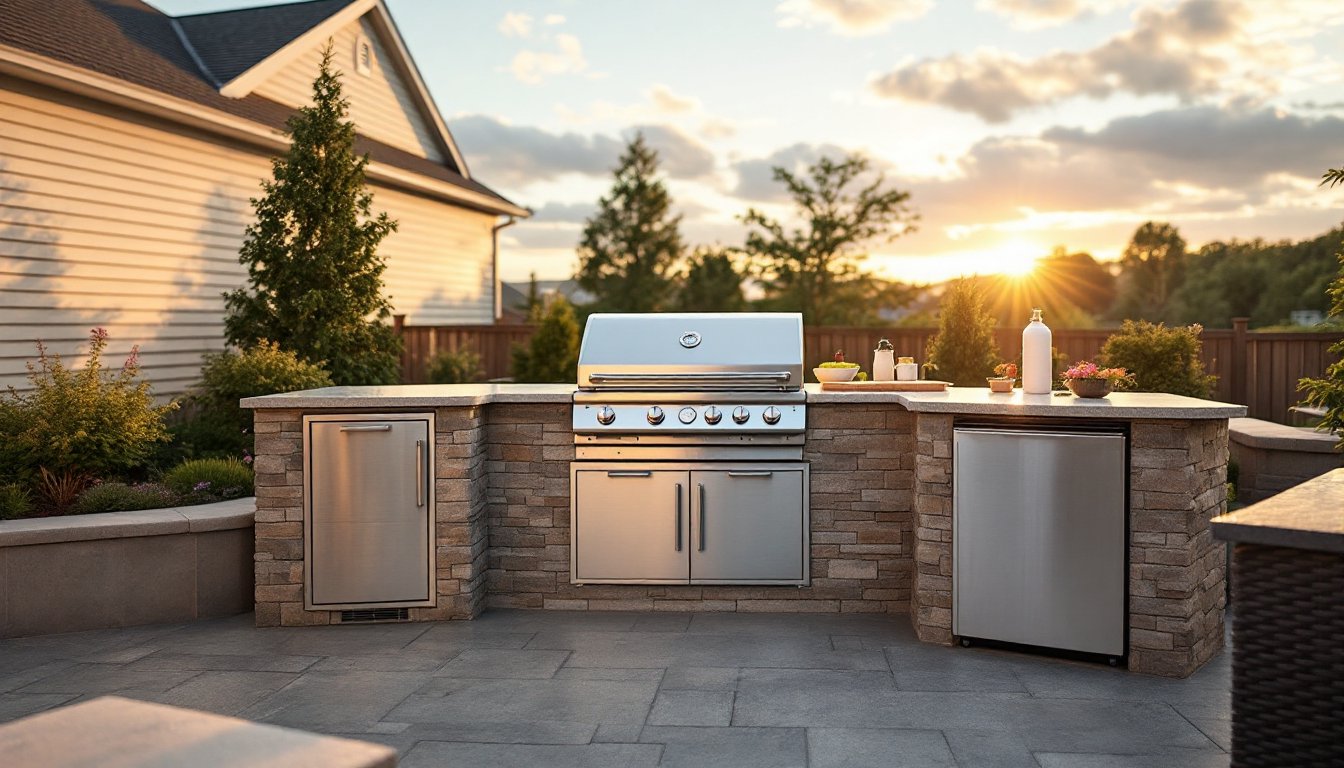
ToggleAn outdoor kitchen transforms a backyard into an entertainment hub, but the installation process demands skill, code compliance, and proper planning. Unlike a backyard grill or portable cooktop, a permanent outdoor kitchen involves gas and electrical connections, masonry work, plumbing, and structural considerations that go well beyond DIY territory for most homeowners. Whether someone is building a full kitchen island with a built-in grill, sink, and refrigerator, or adding a cooking station to an existing patio, hiring professional outdoor kitchen installers near them ensures the job meets local building codes, functions safely, and holds its value. This guide covers how to find qualified contractors, what to look for, and how to get the right price for outdoor kitchen installation.
Key Takeaways
- Hiring professional outdoor kitchen installers near you ensures code compliance, safety, and durability—preventing costly mistakes like gas leaks, electrical hazards, and frost damage that DIY installations risk.
- Search for qualified outdoor kitchen installers using “outdoor kitchen installers near me,” Google Maps, HomeAdvisor, and Angie’s List, then verify licensing, insurance, and recent project portfolios before deciding.
- Professional installers handle permitting, inspections, and local building code compliance, saving homeowners liability issues and complications when selling the home or making insurance claims.
- Compare written estimates from at least three contractors, expecting costs from $3,000–$5,000 for basic setups to $12,000–$30,000+ for full islands, with labor typically accounting for 40–60% of total cost.
- Prioritize experienced, licensed contractors with strong references and warranties over the cheapest bids—mid-range quotes from established outdoor kitchen installers deliver better long-term value than bargain-basement prices that cut corners.
Why Hire Professional Outdoor Kitchen Installers
An outdoor kitchen isn’t just a collection of appliances bolted to a deck. It requires proper foundation work, gas line installation (which almost always needs a licensed plumber and permit), electrical runs meeting NEC standards, proper drainage, and weatherproofing to prevent rust and deterioration. A poorly installed outdoor kitchen can lead to gas leaks, electrical hazards, frost damage to masonry, and equipment failure.
Professional installers bring permitting knowledge, code compliance, and the ability to handle unexpected challenges like rocky soil that requires a deeper foundation or discovering an underground utility line during excavation. They also understand local climate factors, what works in Arizona doesn’t work in Maine, and can advise on materials and layouts that’ll actually survive freeze-thaw cycles or intense sun exposure. Getting it right the first time costs less than tearing out a failed installation and starting over.
How to Search for Local Outdoor Kitchen Installers
Finding qualified contractors starts with knowing where to look and what keywords to use. A homeowner should search “outdoor kitchen installers near me,” “outdoor kitchen contractors [city name],” and “outdoor living builders [area]” to cast a wide net. The goal is to identify installers with local presence, relevant experience, and verifiable credentials.
Online Directories and Review Platforms
Google Maps and Google Business profiles are the fastest way to find installers in a specific area. Filtering by “outdoor kitchen,” “outdoor living,” or “patio contractors” narrows results, and reviews give immediate insight into customer satisfaction and common complaints. HomeAdvisor, Angie’s List, and the Better Business Bureau (BBB) list verified contractors and display complaint histories, a low rating or pattern of unresolved issues is a red flag.
Specialty platforms like Houzz also have outdoor kitchen professionals and show completed projects. Photos of actual work reveal design sense and construction quality far better than any description. When reviewing profiles, check how many outdoor kitchen projects they’ve completed in the past 2–3 years: new contractors or generalists may lack deep expertise.
Ask for Local Referrals and Recommendations
Neighbors and friends who’ve had outdoor kitchens installed offer gold-standard referrals. A homeowner should ask not just “Did you hire someone?” but “Would you hire them again?” and “What surprised you, good or bad?” People remember delays, unexpected costs, and whether the installer cleaned up after the job.
Local landscape designers and patio companies also have trusted installer networks and can recommend outdoor kitchen specialists they work with regularly. Asking the local building department for commonly-cited installers or contractors with clean permit records is another legitimate approach. Some areas publish contractor lists: it’s worth a quick call.
What to Look for in an Outdoor Kitchen Installer
Not all outdoor kitchen installers are created equal. The best ones combine technical skills, design input, and transparent communication.
Licensing and Insurance matter more than most homeowners realize. A contractor should carry general liability insurance, workers’ compensation, and, critically, gas line and electrical certifications. Some states require separate plumbing and electrical licenses for those specific trades: a full-service outdoor kitchen installer either holds those licenses or partners with licensed subcontractors. Always verify credentials through the state licensing board or local contractor registry.
Permitting Experience separates professionals from handymen. An installer should explain which permits are required (usually building, electrical, gas, and sometimes plumbing) and handle the paperwork rather than pushing it onto the homeowner. Skipping permits might save a few hundred dollars upfront, but it creates liability and headaches when selling the home or making insurance claims. Ask directly: “Do you pull permits, and are inspection costs included in your quote?”
Portfolio and References reveal actual track record. A strong contractor shows before-and-after photos of completed outdoor kitchens, ideally in the same region and climate. References should be recent (within the last year or two) and include contact info the homeowner can actually call. During those calls, ask about timeline accuracy, handling of problems, and cleanup.
Design and Problem-Solving Ability matter for function and durability. Does the installer ask about how the homeowner plans to use the kitchen, what’s exposed to weather, and whether freezing winters are a concern? A good installer suggests materials and layouts that work, not just what looks good in a photo. They should also flag challenges early, “Your slope means we’ll need a retaining wall here” or “That corner gets standing water in heavy rain.”
Getting Quotes and Comparing Contractors
Comparing outdoor kitchen installation quotes requires understanding what’s included and what isn’t.
Request written estimates from at least three contractors. A real quote itemizes labor, materials, permits, inspections, and equipment delivery separately. Vague line items like “miscellaneous” or “contingency” without detail are a sign to ask for clarification. Estimates should specify appliance brands and models, stone or concrete finishes, and exact dimensions of the planned kitchen.
Material costs vary dramatically, a basic gas grill and small prep area can start around $3,000–$5,000 installed, while a full island with grill, smoker, sink, refrigerator, and storage runs $12,000–$30,000+, depending on finishes and complexity. Labor usually represents 40–60% of the total. High-end materials (natural stone countertops, luxury appliances, copper accents) push costs significantly higher. A homeowner should expect contractors to discuss timeline too, 8–12 weeks for design, permitting, and construction is typical: rushing adds cost.
Don’t chase the lowest price. The cheapest quote often cuts corners on prep work, materials, or permits. Compare quality, warranty, and timeline alongside cost. A mid-range quote from an experienced, licensed installer typically delivers better value than a bargain-basement price from someone cutting every corner.
Ask about warranties on both materials and labor. Reputable contractors offer 1–2 year warranties covering defects: longer warranties on appliances come from manufacturers. Avoid contractors who won’t guarantee their work in writing.
Get everything in a signed contract before work begins. It should include scope, timeline, payment schedule (never pay 100% upfront), change order procedures, and cleanup expectations. A contract protects both sides and clarifies what happens if problems arise mid-project.
Conclusion
Finding the right outdoor kitchen installer takes time but pays off in a safe, code-compliant, durable outdoor cooking space. Start with local searches and referrals, verify licensing and insurance, review portfolios, and compare written quotes from at least three contractors. The cheapest bid rarely delivers the best value: focus on experience, problem-solving ability, and transparent communication. A professional installer handles permitting, navigates local codes, and stands behind the work, that peace of mind is worth the investment.