Table of Contents
ToggleAn outdoor dining area transforms a backyard into an extension of the home, a place where family gathers, friends linger over meals, and evening air replaces indoor stuffiness. Unlike indoor dining, an outdoor dining space demands thoughtful planning around weather, sunlight, and functional layout. The difference between a haphazardly arranged patio and a genuinely inviting outdoor dining area comes down to intentional design choices: the right location, durable furnishings, proper shade, adequate lighting, and landscape touches that tie it all together. This guide walks through seven essential design ideas that turn a bare yard into a dining destination worth using year-round.
Key Takeaways
- An outdoor dining area requires intentional design around location, furniture, shade, lighting, and landscape—not just random patio placement.
- Choose a northern or northeastern-facing spot near the kitchen with adequate space (roughly 12 feet by 14 feet for six people) to avoid wind tunnels and afternoon heat.
- Invest in durable materials like teak, composite, or powder-coated aluminum that withstand moisture and UV exposure for years of use.
- Layer both task lighting (bistro lights or overhead fixtures at 8–10 feet) and ambient lighting (solar path lights, uplighting, or string lights) to extend dining into evening safely and comfortably.
- Frame your outdoor dining area with low-maintenance plantings like evergreens, container herbs, or climbing vines to create enclosure and transform a bare yard into an intentional gathering space.
Choosing the Right Location and Layout
Start with location, it’s the foundation of every successful outdoor dining area. The best spot combines convenient access from the kitchen (fewer trips carrying dishes), shelter from prevailing winds, and a natural orientation that avoids harsh afternoon sun. In most climates, a northern or northeastern exposure works well: it catches morning light without the intense heat of western afternoon rays.
Measure the space and account for traffic flow. A typical dining table for six requires roughly 12 feet by 14 feet of dedicated space, including walking room around the perimeter. If guests need to pass behind chairs without bumping elbows, add another 2 to 3 feet. Avoid placing the dining area directly in a wind tunnel between buildings or at the foot of a slope where water pools after rain.
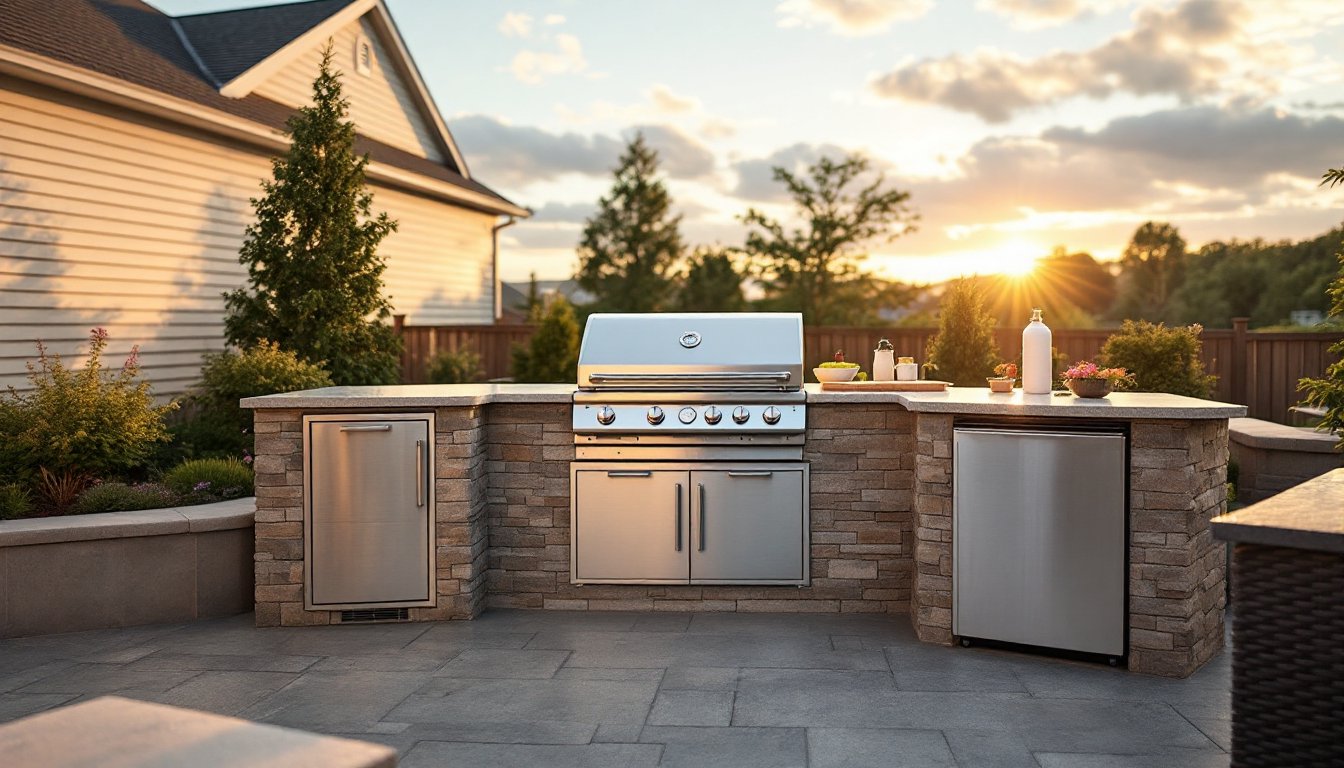
Consider proximity to utilities. If you plan ambient lighting or an outdoor grill, being near existing electrical outlets or gas lines saves headaches (and money) later. Mark out the footprint with chalk or rope to visualize the layout before breaking ground or placing furniture. Walk the path from kitchen to table, does anyone trip on steps or navigate awkward corners? A 3–4 foot-wide pathway is the minimum comfortable width for two people to pass.
Selecting Durable Furniture for Outdoor Comfort
Outdoor furniture endures moisture, temperature swings, and UV exposure, so material choice directly affects longevity and maintenance. The goal is seating and a table that look good and function for years, not fade and splinter in one season.
Materials That Withstand the Elements
Teak is a time-tested hardwood that naturally resists rot and insects, developing a silver-gray patina over time if left untreated. It’s expensive but durable: a teak dining set can last 15+ years with minimal maintenance beyond occasional cleaning. Cedar and mahogany are mid-range options with good weather resistance, though they require periodic sealing to prevent checking and rot.
Aluminum is lightweight, rust-resistant, and affordable. Powder-coated aluminum frames pair well with cushions or mesh seats: frames alone won’t offer much comfort for extended dining. Wrought iron looks elegant but demands regular touch-ups to prevent rust, making it better for covered patios than open-air spots.
Composite materials, wood-plastic blends or high-density polyethylene, require little maintenance and resist fading. They’re not as structurally robust as solid wood, so check weight ratings if you have larger guests. Resin wicker over an aluminum frame mimics traditional wicker but handles moisture better: cushions still need a UV-resistant cover or quick drying after rain.
For a six-person dining set with chairs and a solid table, budget $800–$3,000 depending on material quality and craftsmanship. Don’t skimp on chair comfort: people won’t linger if they’re perched on hard seats. Look for contoured backs, seat depth of 16–18 inches, and removable, washable cushions in solution-dyed acrylic fabric, it resists fading and mildew.
Incorporating Shade and Weather Protection
Shade isn’t optional in most regions, it’s essential for comfort and food safety. Hot food spoils faster in direct sun, and guests drift indoors if there’s no relief from heat. A fixed structure like a pergola or gazebo anchors the dining area visually and provides partial or full shade depending on design.
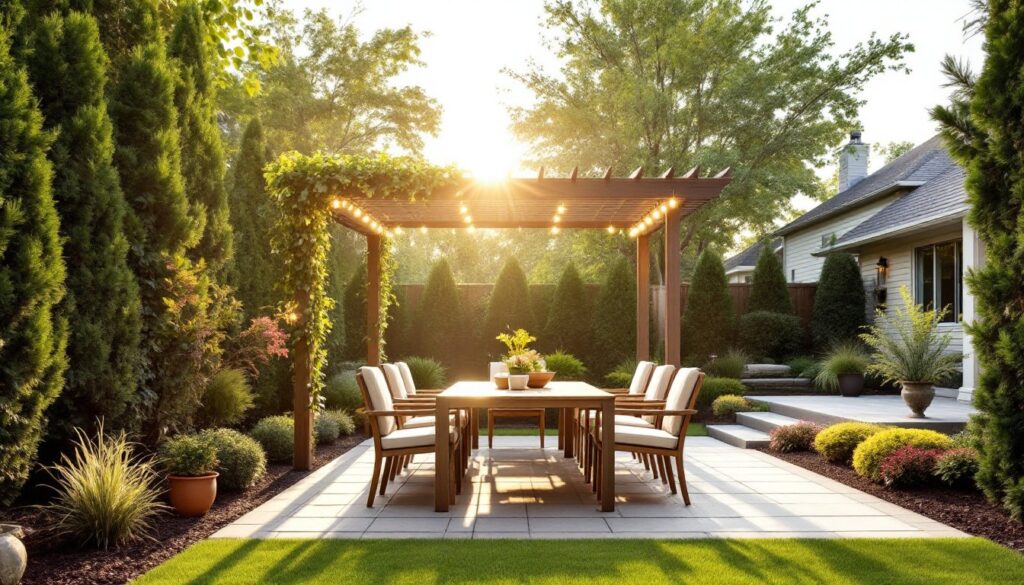
A pergola offers filtered shade from overhead slats (typically spaced 2–4 inches apart for partial shade). It’s structurally simpler than a full roof and costs roughly $1,500–$4,000 installed, depending on size and materials. Gazebos with solid roofs run $2,500–$8,000+ but deliver reliable protection and define the space more completely.
Retractable shade cloths or motorized awnings are flexible options for irregular shapes or budget constraints. They roll away when full sun is welcome and deploy when needed. A quality motorized awning for a 12-foot span costs around $1,200–$2,500.
Umbrellas are portable but less permanent: anchor them securely in weighted bases (minimum 50–75 pounds for a 9-foot umbrella in wind). For weather protection beyond shade, consider a pergola with a retractable polycarbonate panel roof or a structure with side screens for wind and bug protection. Check local building codes, some jurisdictions classify permanent structures as requiring permits if they exceed a certain size or roof pitch. Consult your local building department before installing anything larger than a small open-beam pergola.
Lighting for Ambiance and Functionality
Outdoor dining needs two types of light: task lighting to see food and avoid stumbling, and ambient lighting for mood. Combining both keeps diners comfortable and safe as the sun sets.
Overhead task lighting comes from pendant lights suspended from a pergola, a pole-mounted fixture, or a string of commercial-grade bistro lights strung overhead. Bistro lights (also called café or Edison-style lights) cost $40–$150 per 25-foot string: they’re attractive, warm-toned, and durable if rated for outdoor use. Mount them 8–10 feet above the table so they illuminate without creating glare in diners’ eyes.
Accent lighting, path lights, uplighting on plants, or low-voltage LED strips along stairs or edging, guides movement and softens the overall look. Solar path lights are inexpensive ($5–$15 each) but dimmer than wired lights: low-voltage LED systems (12V) offer more control and consistency, though installation requires a small transformer and runs $200–$500 for a complete setup.
Wall-mounted sconces or string lights draped from trees add charm and fill dark pockets without creating shadows across the table. Use warm-white LEDs (2700K color temperature) for an inviting glow rather than harsh daylight-spectrum (5000K+) bulbs. Most outdoor lighting should be on a dimmer switch so you can adjust intensity to match sunset or the mood you want. Ensure all fixtures are rated for wet locations (UL listing should confirm this) and are installed or hardwired by a licensed electrician if they draw more than 15 amps or require trenching.
Landscaping and Greenery Accents
Landscaping frames and anchors an outdoor dining area, making it feel intentional rather than a table dropped randomly on concrete. Even modest plantings transform the vibe.
Start with living edges: a border of shrubs, ornamental grasses, or perennials around the dining area’s perimeter creates a sense of enclosure and screens views of adjacent yards. Choose plants suited to your hardiness zone and existing light conditions, don’t waste effort on sun-lovers in shade or vice versa. Evergreens (boxwood, privet, or dwarf conifers) provide year-round structure: deciduous shrubs add seasonal interest.
Container plantings, large pots with specimen plants, herbs, or seasonal flowers, soften hard edges and are easy to move if you need to rearrange. Herbs like rosemary, basil, and sage double as kitchen-close harvests and are attractive. Group pots of varying heights in odd numbers (three or five) at corners or entry points rather than scattering them haphazardly.
Vertical greenery on a trellis or living wall adds depth without taking up floor space. Clematis, honeysuckle, or climbing jasmine can vine over a pergola in a year or two, creating natural shade and seasonal flowers.
Avoid overcrowding: the dining area itself should remain the focal point. Choose a few plants you like rather than cramming in every suggestion. Plants need water and occasional maintenance, so be realistic about what you’ll tend. In arid climates, drought-tolerant natives (sedums, salvias, artemisia) need less fussing than water-hungry perennials.
Conclusion
Building an outdoor dining area isn’t a single weekend project, it’s a series of deliberate choices around location, furniture, shade, light, and landscape. Start with the fundamentals: a level, well-drained spot with convenient kitchen access and natural protection from excessive wind and sun. Add durable furnishings that suit your climate, then layer in shade and lighting to extend usability into evening hours. Finish with plantings that frame and soften the space. Done thoughtfully, your outdoor dining area becomes the place you and guests actually want to spend time, not a stylish photo prop gathering dust.