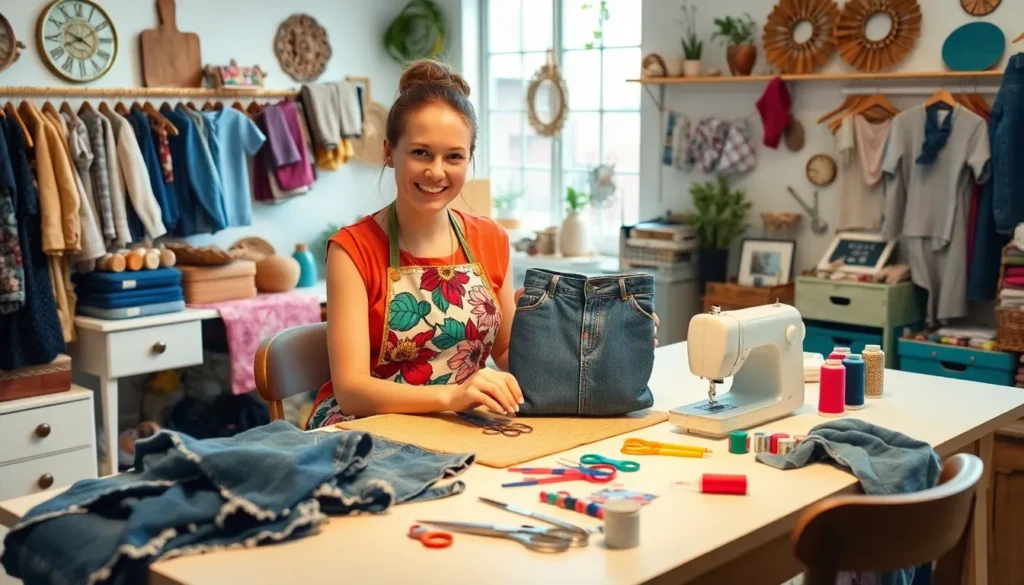
Old clothes piling up in the back of the closet? It’s time to rescue those forgotten fashion pieces from a lifetime of dust bunnies and questionable decision-making. Upcycling isn’t just a trend; it’s a creative revolution that turns your wardrobe’s rejects into eye-catching masterpieces. Who knew that a pair of jeans could become a stylish tote bag or that a frumpy shirt could transform into a chic pillow cover?
Understanding Upcycling
Upcycling old clothes involves creatively transforming unused garments into new fashion items. This process enhances personal style while promoting environmental sustainability.
Definition of Upcycling
Upcycling refers to the practice of repurposing items to create something of higher value or quality. Rather than discarding worn clothes, individuals can creatively modify them into fresh designs. This approach preserves resources and minimizes waste, contributing to a more sustainable lifestyle. Upcycling emphasizes imagination and individuality, attracting those who enjoy custom clothing and unique accessories.
Benefits of Upcycling Old Clothes
Upcycling old clothes offers numerous advantages. First, it reduces textile waste, addressing the environmental impact of clothing disposal. Second, it saves money by repurposing existing garments instead of purchasing new ones. Third, upcycling fosters creativity and personal expression. People can craft unique items that reflect their personal style. Additionally, this practice often produces high-quality items due to the careful selection and enhancement of materials. Overall, upcycling enriches wardrobes and encourages sustainable habits, benefitting both individuals and the planet.
Creative Ways to Upcycle Old Clothes
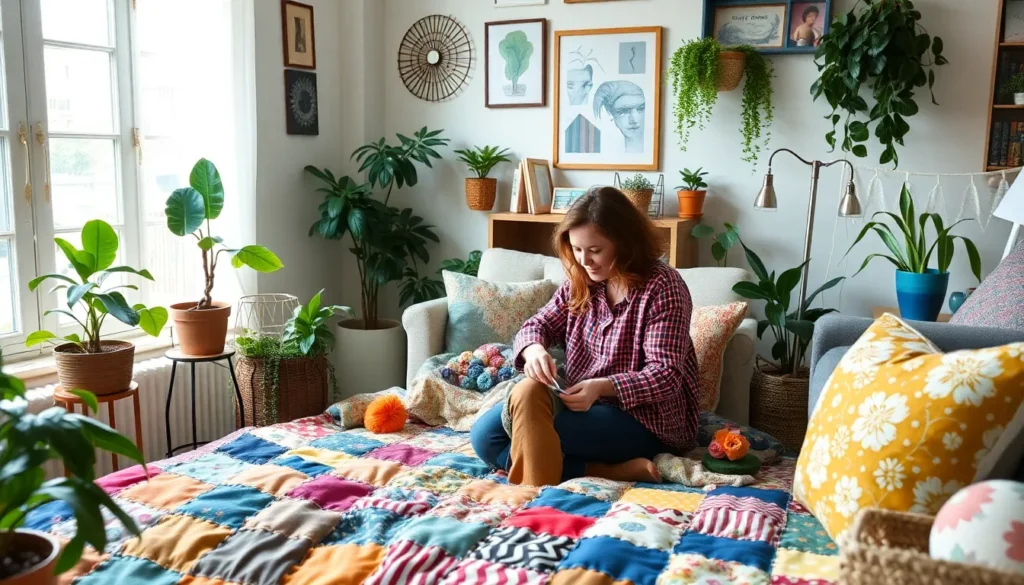
Upcycling old clothes offers endless possibilities for creativity and sustainability. Individuals can transform forgotten garments into unique fashion statements and stylish home décor items.
Fashion Transformations
Old jeans can become chic tote bags after a few simple modifications. Altering a worn-out dress into a trendy skirt refreshes an existing wardrobe. T-shirts turn into fashionable crop tops with minimal sewing skills. Scarves can easily transform into headbands or belts for added flair. These transformations showcase imagination, helping people stand out while reducing waste.
Home Décor Ideas
Decorative pillow covers made from old shirts brighten up living spaces. A patchwork quilt created from fabric scraps adds character and warmth to any room. Table runners can find new life from colorful blouses, elevating dining experiences. Curtains fashioned from repurposed fabric provide both style and privacy. Each project brings a personal touch that enhances the home while promoting eco-friendly practices.
Tools and Materials Needed for Upcycling
Upcycling old clothes requires specific tools and materials to create new and stylish pieces. Gathering the right supplies makes the process smooth and enjoyable.
Essential Sewing Tools
Sewing scissors, a need for precise cutting, help in shaping fabrics effectively. A rotary cutter enhances accuracy for larger projects, enabling clean edges. Measuring tape ensures exact dimensions, critical for creating well-fitted items. Pins or clips hold fabric together during sewing, keeping pieces aligned. Needle and thread combinations match fabric types, ensuring sturdy seams. Sewing machine saves time, allowing for faster assembly of intricate designs. Iron and ironing board smoothes fabric, giving finished projects a polished look.
Eco-Friendly Materials to Consider
Cotton fabric, a popular choice, remains breathable and biodegradable, making it perfect for sustainable projects. Linen, known for durability, offers a natural alternative with minimal environmental impact. Recycled fabrics, sourced from old garments, reduce waste while providing unique patterns and textures. Denim from old jeans can transform into chic accessories, reflecting individual style. Organic fibers, free from harmful chemicals, ensure eco-friendly results. Natural dyes, derived from plants, add vibrant colors without environmental harm, enhancing creative projects. Repurposed embellishments, like buttons or lace, add charm while remaining sustainable.
Step-by-Step Guide to Upcycle Old Clothes
Upcycling old clothes involves a few straightforward steps that enhance creativity while promoting sustainability. Following this guide will ensure effective and enjoyable projects.
Preparing Your Clothes
Start by selecting garments that you no longer wear but can visualize in a new form. Assess the condition of each item; look for stains, tears, or fabric integrity to ensure they’re suitable for repurposing. Wash and dry these clothes before beginning any projects to remove dirt and odors. Gather necessary tools such as scissors, measuring tape, and sewing supplies to streamline the process. Organizing the workspace ensures a clear view of materials and tools. Having everything in place fosters a smooth workflow and enhances creativity during the upcycling venture.
Easy Upcycling Projects to Start With
Consider starting with simple projects that require minimal sewing skills. Transform an old pair of jeans into a chic tote bag; cut out and shape the fabric accordingly. Create a stylish crop top from a worn t-shirt by simply shortening its length and adjusting the fit. Refashion a long dress into a trendy skirt; this often requires only a few cuts and a waistband alteration. Basic pillow covers from old shirts offer a quick way to refresh home décor with personalized touches. Each of these projects not only revitalizes clothing but also provides a satisfying, creative experience.
Upcycling old clothes offers a fantastic opportunity to unleash creativity while making a positive impact on the environment. By breathing new life into forgotten garments, individuals can not only enhance their personal style but also contribute to a more sustainable future. Each project serves as a testament to imagination and resourcefulness, transforming the mundane into the extraordinary.
Embracing the art of upcycling encourages a shift in mindset towards consumption and waste. As more people engage in this creative revolution, the fashion industry can move closer to sustainability. So why not dive into your closet and start your upcycling journey today? The possibilities are endless, and the rewards are both personal and planetary.