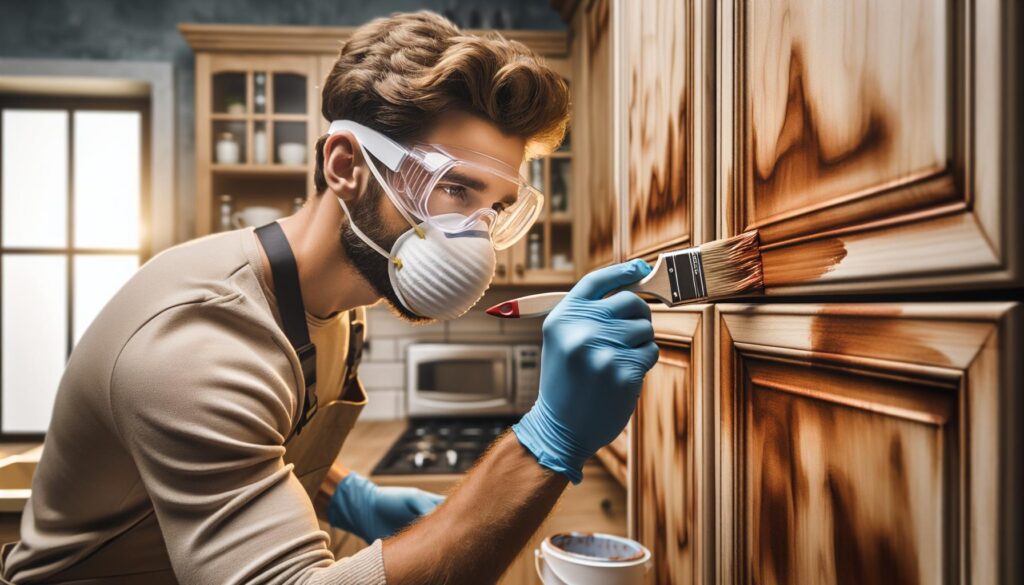
Transforming stained cabinets can breathe new life into your kitchen or bathroom. I’ve always believed that a fresh coat of paint can work wonders, turning outdated or dull cabinetry into stunning focal points. Whether you’re aiming for a modern vibe or a cozy farmhouse feel, painting stained cabinets is an accessible project that can elevate your space without breaking the bank.
Key Takeaways
- Understanding Stained Cabinets: Stained cabinets enhance natural wood grain, providing a warm aesthetic while also being versatile across various design styles.
- Preparation is Key: Properly cleaning and sanding stained cabinets ensures optimal paint adhesion and a smooth finish.
- Choosing the Right Products: Opt for high-quality acrylic latex or specialized cabinet paint for durability, and consider a satin or semi-gloss finish for easier cleaning.
- Application Techniques Matter: Utilize brushes, rollers, or spray painting methods, applying multiple thin coats for an even finish and allowing adequate drying time.
- Finishing Touches are Essential: A protective topcoat enhances durability; selecting the right type and applying it with care is crucial for a professional look.
Understanding Stained Cabinets
Stained cabinets are popular choices for both kitchens and bathrooms. They offer a rich, warm finish that enhances the natural beauty of the wood.
What Are Stained Cabinets?
Stained cabinets refer to cabinetry that features a wood stain applied to enhance grain visibility and color. This technique can illuminate the texture of various wood types, such as oak, maple, and cherry. Stains come in many shades, from light natural tones to dark espresso finishes. The process of staining protects the wood while allowing its unique characteristics to shine through.
- Aesthetic Appeal: Stains highlight wood grains, adding depth and character to any space.
- Versatility: Stained finishes complement various design styles, including traditional, rustic, and contemporary.
- Durability: Stains often include protective coatings that resist scratching and moisture, prolonging cabinet life.
- Maintenance Ease: Stained cabinets require minimal upkeep, with simple cleaning using mild soap and water.
- Cost-Effectiveness: Retaining existing cabinets and applying stain can be more affordable than replacing them entirely.
Preparing for Painting Stained Cabinets
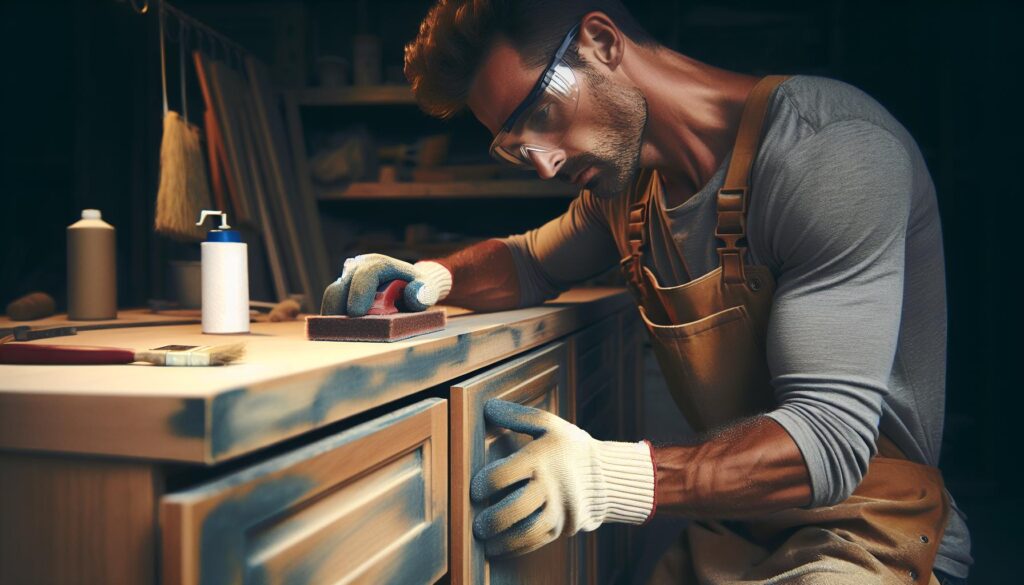
Preparing stained cabinets for painting involves gathering necessary tools and materials, along with ensuring the surfaces are clean and properly prepared.
Tools and Materials Needed
- Paint: Choose a high-quality paint suited for cabinetry, often oil-based or acrylic.
- Primer: Select a primer compatible with the stained surface to ensure proper adhesion and coverage.
- Sandpaper: Obtain various grits, typically 120 and 220, for smoothing surfaces.
- Cleaning solution: Use a degreaser or a mixture of soap and water to remove grime.
- Paintbrushes: Acquire a range of sizes, including a mini roller for larger flat surfaces.
- Drop cloths: Lay down drop cloths to protect floors and countertops from paint splatters.
- Painter’s tape: Use tape to mask areas you don’t want to paint, like hardware or adjacent walls.
- Protective gear: Wear gloves, goggles, and a mask for safety during sanding and painting.
Cleaning and Sanding the Surface
Cleaning and sanding the cabinets ensures a smooth finish. First, I clean the cabinets with a degreaser or soapy water, focusing on corners and crevices to remove any grease or dirt. Once the cabinets dry, I sand the surfaces using 120-grit sandpaper. Sanding helps to scuff the finish and improve paint adhesion. After this step, I follow up with 220-grit sandpaper for a smooth, even texture. Dust the surfaces thoroughly with a damp cloth to eliminate any debris and prepare for priming.
Techniques for Painting Stained Cabinets
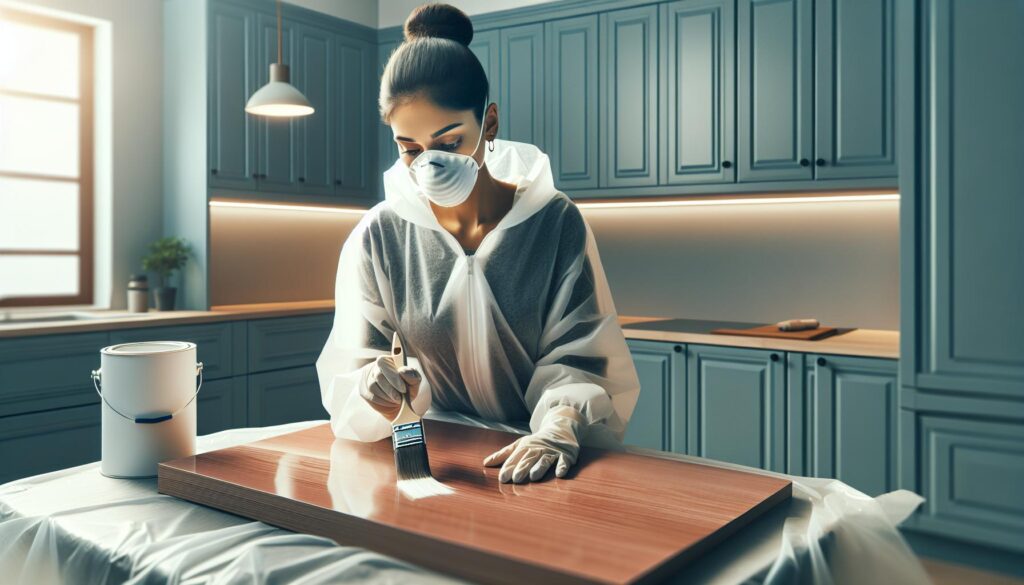
Painting stained cabinets requires careful selection of materials and methods to achieve a professional finish. I’ll outline essential techniques for this project, focusing on paint selection and application.
Choosing the Right Paint
Choosing the right paint is crucial for durability and appearance. I recommend using a high-quality acrylic latex paint or a specialized cabinet paint for its excellent adhesion and durability. These types contain resins that provide better coverage and a smoother finish. Additionally, opting for a satin or semi-gloss finish enhances the cabinet’s resilience against stains and moisture, making it easier to clean.
Application Methods
For applying paint effectively, I utilize different methods depending on the desired finish.
- Brush Application: Using a high-quality synthetic brush allows for precision and coverage in intricate areas.
- Roller Application: A foam roller can cover larger flat surfaces quickly and efficiently.
- Spray Painting: A paint sprayer provides a smooth, even coat but requires proper ventilation and masking to protect surrounding surfaces.
Before starting, I ensure that I apply multiple thin coats instead of a single thick coat. This approach reduces drips and promotes an even finish. Always allow adequate drying time between coats to enhance adhesion and finish quality.
Finishing Touches
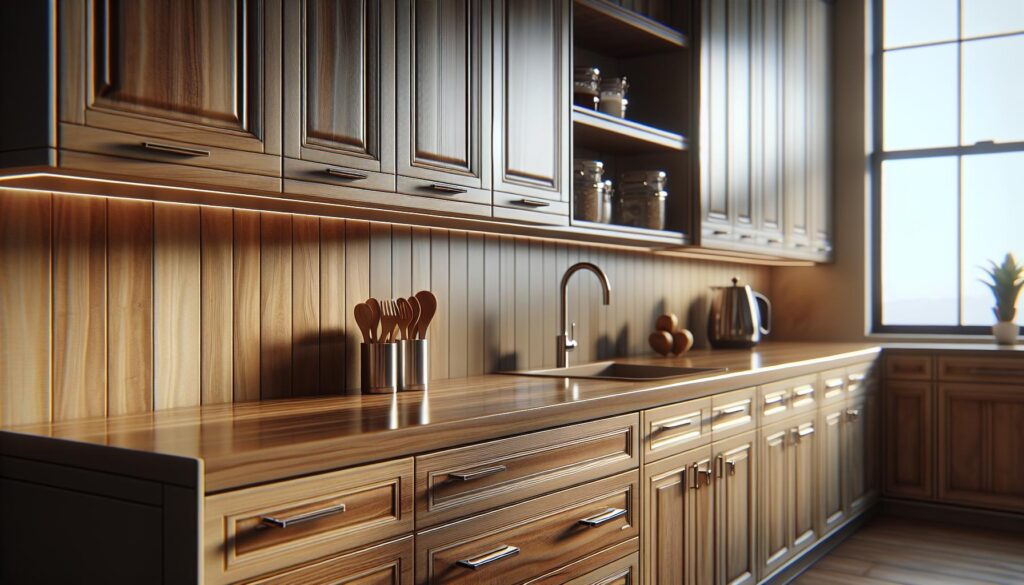
Finishing touches enhance the quality and durability of painted stained cabinets. Attention to detail in this stage ensures the final product looks polished and lasts longer.
Selecting a Protective Topcoat
Selecting a protective topcoat is crucial for longevity. I’ll choose an appropriate finish based on cabinet use. For frequently used cabinets, a polyurethane topcoat offers durability and resistance to scratches. For a more natural look, consider using water-based polyurethane, as it dries quickly and is less abrasive on color. Always check if the selected topcoat is compatible with the paint previously applied. Apply the topcoat with a high-quality brush or foam applicator to prevent bubbles or streaks.
Tips for a Professional Finish
Achieving a professional finish requires attention to technique. I’ll follow these tips to enhance the overall appearance:
- Ensure Surface is Smooth: Inspect for imperfections before applying topcoat or final touches. Sand down any rough spots.
- Use the Right Tools: Utilize a high-quality, synthetic brush for water-based finishes or a natural-bristle brush for oil-based finishes. Rollers are great for flat surfaces.
- Maintain a Wet Edge: Work in sections, maintaining a wet edge to avoid lap marks. This technique helps create an even finish.
- Apply Multiple Coats: Rely on multiple thin coats rather than one thick coat. This approach prevents drips and ensures an even application.
- Allow Proper Drying Time: Respect drying times between coats. This promotes adhesion and prevents the top layer from smudging or lifting.
Incorporating these final steps transforms painted stained cabinets into beautiful, durable focal points in any space.
Transforming stained cabinets through painting is a rewarding project that can breathe new life into your space. With the right preparation and techniques I’ve shared, you can achieve a professional finish that enhances your home’s aesthetic.
Whether you prefer a modern look or a cozy farmhouse vibe the versatility of painted cabinets allows you to express your style. Don’t forget the finishing touches to ensure durability and beauty.
I’m excited for you to embark on this journey and see how a fresh coat of paint can make such a significant impact on your cabinetry. Happy painting!