Table of Contents
ToggleAn outdoor kitchen isn’t just a grill bolted to a patio anymore. Modern outdoor kitchen units have become full-featured cooking centers that extend the home and transform how families entertain. Whether it’s a simple modular cart or a built-in culinary hub complete with appliances, refrigeration, and storage, outdoor kitchen units bring convenience and lifestyle into the backyard. In 2026, the options are more accessible and durable than ever, but choosing the right setup requires understanding what’s available, what’ll actually hold up to weather, and how to fit it into a realistic budget. This guide walks through the essentials so homeowners can make smart decisions without overspending or ending up with equipment that rusts in two seasons.
Key Takeaways
- Modern outdoor kitchen units extend beyond a simple grill, offering full-featured cooking centers with appliances, storage, and prep space that add significant resale value to your property.
- Choose between modular freestanding units for flexibility and renters, or built-in permanent installations for homeowners seeking superior durability and landscape integration.
- Prioritize essential features: a primary grill (45,000–55,000 BTU), side burners, substantial counter space, sealed storage, and weather-resistant materials to ensure long-term functionality.
- Stainless steel (304 or 316 grade), sealed concrete, and marine-grade polymer outperform cheaper alternatives; proper material selection is the difference between a 5-year and 15-year lifespan.
- Budget realistically: modular setups start at $1,500–$3,500, mid-range built-in units run $5,000–$12,000, and professional installation with gas lines and permits is essential for safety and compliance.
What Are Outdoor Kitchen Units and Why They Matter
Outdoor kitchen units are purpose-built cooking and prep stations designed to function in open-air environments. They range from compact stainless steel carts with a cooktop and side burner to elaborate permanent installations with multiple zones for grilling, searing, smoking, and food prep.
Why invest in one? A properly equipped outdoor kitchen saves trips back and forth to the indoor kitchen during entertaining. It keeps grease and smoke away from the house, protects food from insects, and creates a dedicated workspace. More importantly, it adds resale value, real estate data shows outdoor kitchens consistently improve property appeal, especially in warmer climates. Unlike a standalone grill, a unit with counter space, storage, and multiple cooking methods lets homeowners prepare complete meals outdoors. The layout matters too: a well-organized unit keeps everything within arm’s reach, reducing cook time and stress during gatherings.
Types of Outdoor Kitchen Units to Consider
Built-In vs. Modular Units
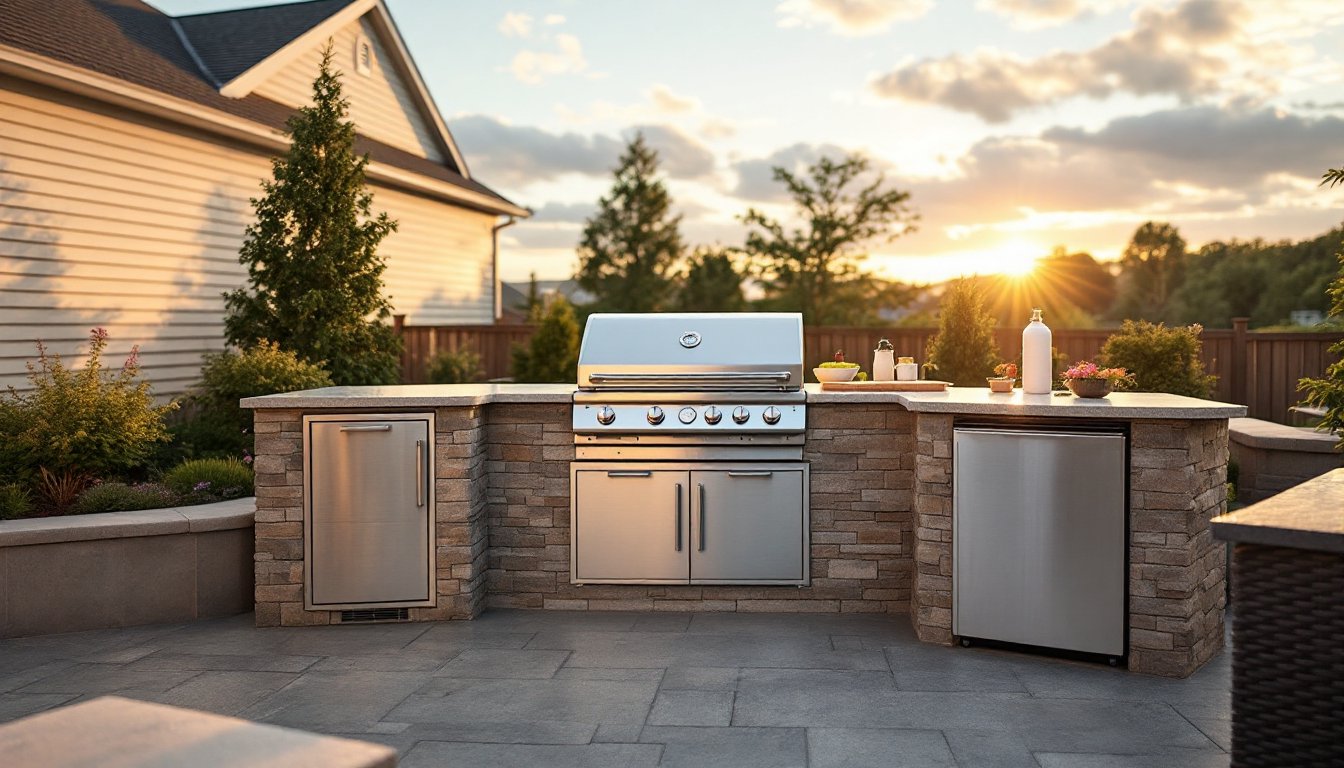
The choice between built-in and modular hinges on permanence, cost, and flexibility. Built-in units are typically constructed directly into a patio or deck frame, with fixed cabinetry, countertops, and appliances. They’re ideal for homeowners who’ve settled in one place, have the budget to do it right, and plan to use the space frequently. Built-in units integrate seamlessly with the landscape and often command higher resale appeal. The downside: they require permanent installation, possibly permits, and professional help if something needs replacement.
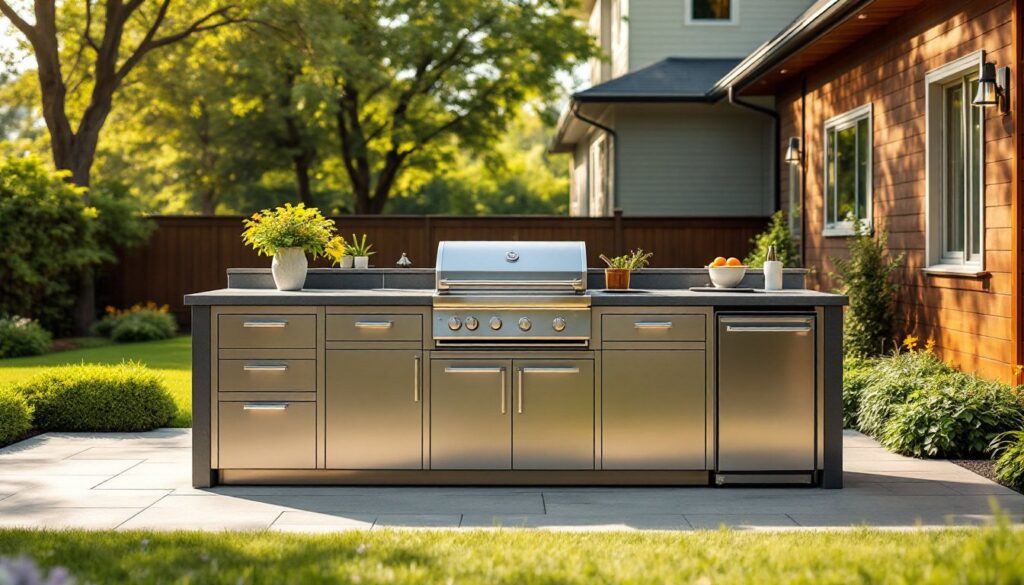
Modular units are pre-constructed, freestanding, or semi-permanent setups. Think stainless steel kitchen islands on wheels, cart-style grills with side burners, or stackable cabinet systems. Modular units offer flexibility, they’re easier to relocate, often cheaper upfront, and perfect for renters or homeowners who like to change their yard layout. They’re also simpler to install. The tradeoff: they may look less integrated into the landscape, and some modular pieces are lighter-duty than built-in counterparts. Many homeowners mix both approaches: a modular cart at the center with fixed storage cabinets on either side.
For renters or those uncertain about long-term plans, modular is the safer bet. For permanent homeowners with serious cooking ambitions, built-in delivers better durability and aesthetics.
Essential Features and Appliances
A functional outdoor kitchen needs core cooking and prep features. A primary grill is non-negotiable, whether it’s gas, charcoal, or pellet. Gas grills are convenient and controllable: charcoal offers flavor but requires more attention: pellet grills deliver smoke flavor with thermostat control. Most outdoor kitchen units include a primary grill rated for at least 45,000 to 55,000 BTU of heat output for consistent cooking.
Side burners are underrated. One or two dedicated burners let cooks simmer sauces, boil water, or heat sides without tying up grill space. Look for 10,000 to 15,000 BTU side burners that ignite reliably in open air.
Counter space should be substantial, at least 3 to 4 linear feet on each side of the grill. This prevents juggling plates and ingredients. Materials matter here: more on that in the next section.
Storage keeps tools, propane, and ingredients organized. Sealed, lockable cabinets protect items from weather and pests. Stainless steel or marine-grade polymer drawers resist corrosion better than standard wood.
Refrigeration is optional but valuable, a compact undercounter fridge or beverage cooler keeps drinks cold and perishables within reach, especially during long gatherings. Choose models rated for outdoor use: indoor fridges won’t tolerate temperature swings.
Sinks and water access elevate convenience. A small prep sink (even just a portable basin hooked to a garden hose) avoids contamination and cuts trips inside. Some units include chilling drawers, rotisseries, or warming drawers, but these add cost and complexity. Start with grill, side burners, counter space, and storage. Add extras based on actual cooking habits, not wishful thinking.
Choosing Materials That Withstand the Elements
Material choice makes the difference between a unit that lasts 5 years and one that lasts 15. Stainless steel, specifically 304 or 316 grade, is the gold standard for outdoor kitchen surfaces and appliances. 304 stainless resists corrosion in most climates: 316 (marine grade) is better for coastal areas with salt spray. Avoid cheap “stainless-look” painted steel: it rusts fast and costs more to replace.
Countertops should be non-porous and weather-resistant. Granite, concrete (sealed), or engineered stone withstand freezing, UV rays, and temperature swings better than wood or composite decking. If using wood, apply exterior-grade sealant yearly and expect to replace sections every 5-7 years. Concrete poured in place is affordable but cracks over time: polished or stamped concrete hides wear better.
Cabinet frames benefit from marine-grade polymer, composite materials, or powder-coated aluminum. These resist moisture better than plywood, which swells and rots. If building with wood, use pressure-treated lumber rated for ground contact (like 2×6 or 2×8 joists) and seal all cut ends before assembly.
Appliances and hardware should be rated for outdoor use. Indoor grills, dryers, and fridges won’t survive temperature extremes or humidity. Choose equipment marked “weather-rated” or “marine-grade.” Stainless bolts, hinges, and fasteners cost slightly more but won’t corrode and seize.
Protective finishes matter. Use exterior primer and paint rated for metal or concrete. Sealant for stone countertops should handle freeze-thaw cycles, ask at the supplier. Without proper protection, rust blooms, concrete spalls, and stone cracks prematurely.
Budget and Installation Tips
Outdoor kitchen costs vary wildly. A basic modular cart with a gas grill and side burner runs $1,500 to $3,500. Mid-range built-in units with counters, storage, and a quality grill range $5,000 to $12,000. High-end custom builds with multiple cooking zones, premium appliances, and stonework exceed $15,000 or more. Material prices and labor vary by region, a built-in installation in a major city costs more than rural areas.
DIY or hire? Simple modular setups are DIY-friendly: assemble frames, bolt on appliances, set on a level base. Built-in units are different. Concrete pads, framing, plumbing, gas lines, and electrical work often require permits and licensed professionals. Gas line installation especially, improper venting and connections create fire and health risks. Don’t DIY gas plumbing unless certified. Check local codes: some jurisdictions require a licensed contractor for outdoor structures over certain footprints or with fuel appliances.
Cost-cutting tips: Start modular and upgrade later. A basic cart and grill now leaves room to add cabinets and counters next year. Buy appliances separately rather than bundled, sometimes sourcing from restaurant supply dealers beats “outdoor kitchen” packages. Poured concrete costs less than natural stone but achieves durability with proper sealing. Frame from pressure-treated lumber instead of cedar if budget is tight: seal it well.
Installation checklist: Ensure a stable, level base, gravel shifts: concrete or pavers don’t. Position units away from the house (check 3-5 foot minimum distances from siding and overhangs per most codes). Install 120/240V outlet circuits with GFCI protection if adding power. Slope any under-counter surfaces slightly for drainage. Secure heavy units to prevent tipping, especially in windy areas. Allow 12-18 inches clearance on each side for safe appliance access and cleaning.
Conclusion
Outdoor kitchen units deliver real value, convenience, entertaining appeal, and property enhancement. The key is matching ambitions to budget and site conditions. Start by deciding between modular flexibility and built-in permanence, then prioritize core features: a solid grill, adequate counter space, protected storage, and weather-resistant materials. Don’t overspend on bells and whistles early: a well-made base setup beats a bargain-basement custom island. Finally, invest in proper installation and annual maintenance. A unit that’s leveled right, sealed properly, and used thoughtfully will serve reliably for years, and turn the backyard into a space the whole family actually lives in.