Table of Contents
ToggleBuilding an outdoor kitchen used to mean hiring a contractor and pouring concrete for a built-in setup that couldn’t be changed without major work. NewAge outdoor kitchens have flipped that model on its head. These modular systems let homeowners create restaurant-quality cooking spaces that fit their exact footprint, budget, and style, without permanent installation headaches. Whether someone wants a simple grilling station or a full entertainment hub with multiple appliances, NewAge offers flexibility that DIYers and handy homeowners can actually manage. This guide walks through what makes these systems tick, how to pick the right configuration, and what to expect during setup and long-term ownership.
Key Takeaways
- NewAge outdoor kitchens are modular, prefabricated systems that bolt together on-site without requiring permanent installation, concrete footings, or licensed contractors.
- Built from 430-grade stainless steel and durable materials, NewAge kitchen cabinets last 15–20 years outdoors while resisting rust, UV exposure, and seasonal weather cycles.
- The modular design allows homeowners to start small (4–6 feet) and expand later, customize layouts from simple 2-foot bars to U-shaped configurations, and easily replace individual components.
- Assembly typically takes 8–16 hours with basic tools, but proper foundation leveling, local gas/electrical codes, and licensed professional help for plumbing and wiring are essential.
- NewAge outdoor kitchens require minimal monthly maintenance (stainless steel wiping, grill cleaning) and offer strong long-term value for homeowners staying put or relocating.
- These modular systems bridge the gap between standalone grills and built-in kitchens, integrating storage, prep space, appliances, refrigeration, and sinks into a flexible, weather-resistant frame.
What Is NewAge Outdoor Kitchen?
NewAge outdoor kitchens are modular, prefabricated cooking systems designed to be assembled and configured by homeowners rather than installed permanently. Unlike traditional built-in outdoor kitchens that require masonry, concrete footings, and licensed contractors, NewAge units ship as component pieces, stainless steel cabinets, countertops, appliances, and hardware, that bolt together on-site.
The core appeal is flexibility. If a homeowner rearranges a patio layout or moves, the kitchen goes along without demolition. The cabinet frames are weather-resistant stainless steel that withstands UV exposure, temperature swings, and moisture without rusting or requiring annual refinishing. Most NewAge configurations sit on a solid, level surface like a patio or deck foundation: they don’t need concrete piers or electrical trenches run before assembly begins.
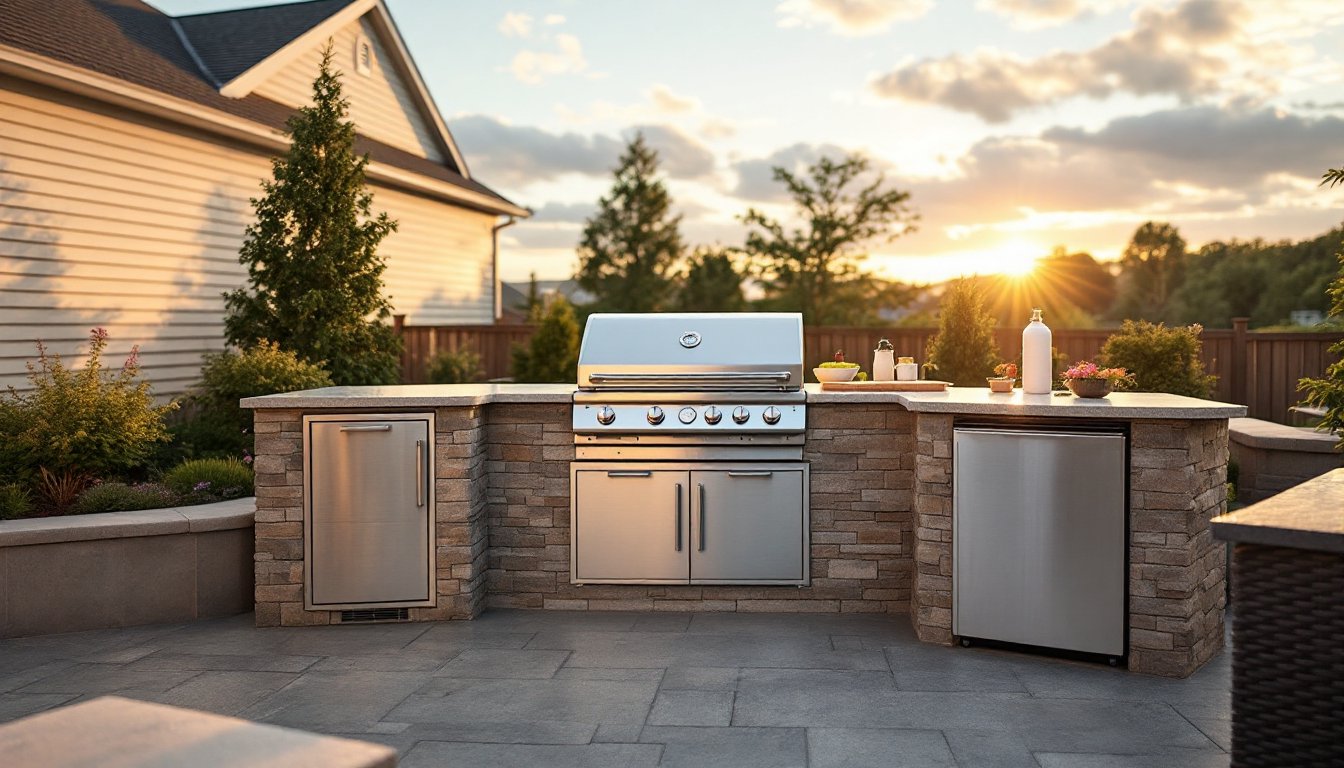
These systems bridge the gap between a standalone gas grill and a full outdoor kitchen. They include storage, prep space, and integration points for multiple cooking appliances, griddles, side burners, refrigeration, and sinks, all within a cohesive frame.
Key Features That Set NewAge Apart
Premium Materials and Durability
NewAge cabinets use 430-grade stainless steel, a material chosen for outdoor exposure. It’s not as premium as 316-grade (marine-grade), but it resists rust better than mild steel and handles seasonal weather without constant maintenance. The material won’t rust from salt spray in coastal areas as readily as lower grades, though saltwater proximity still demands occasional rinsing and wiping.
Countertops typically come in marine-grade stainless steel or composite stone (engineered quartz or granite). Stone tops offer heat resistance and aesthetic appeal: stainless lasts forever but shows fingerprints and water spots. Shelving and door seals are also stainless, and hinges use ball-bearing slides so doors open smoothly even after years of UV and temperature cycling.
Durability is the real selling point. A well-maintained NewAge cabinet system lasts 15–20 years outdoors without structural failure. Compare that to a wooden outdoor cabinet, which rots, or powder-coated steel, which eventually chips and corrodes underneath.
Modular and Customizable Design
NewAge builds its cabinets in discrete modules: base cabinets, tall storage towers, grill mounts, and refrigerator housings. A homeowner can buy a 2-foot base module with a side burner, add a refrigerator housing, then expand with an undersink cabinet later. The modular approach means someone doesn’t need to commit to a 10-foot kitchen immediately: they can start with 4 feet and grow.
Customization goes beyond layout. Cabinet doors come in smooth stainless or textured finishes. Countertop colors and materials vary. Appliance slots accept different brands and sizes of grills, fridges, and other gear (though NewAge recommends compatible dimensions to avoid gaps). This modularity also simplifies repair: if a cabinet door dents, the manufacturer ships a replacement door, not a whole new unit.
Design Options and Layout Configurations
NewAge offers pre-designed layouts ranging from compact 2-foot bars to sprawling L-shaped or U-shaped configurations. Common starter kits include a base cabinet with a grill opening, undersink storage, and a countertop, roughly 4 to 6 feet long. These fit standard patios and don’t overwhelm a modest yard.
L-shaped and U-shaped designs maximize prep space and entertaining capacity. They typically combine a grill wall (the main cooking station), a return counter for food prep or beverage service, and storage on one or both ends. Total footprints range from 10 feet (small L) to 20+ feet (full U with seating).
Vertical space is crucial for smaller yards. Tall storage towers and overhead shelving let homeowners add functionality without expanding the footprint. Open shelving displays cookbooks, bottles, or serving dishes: enclosed cabinets hide less attractive gear like propane connections or cleaning supplies.
Drawer and door configurations are worth thinking through. Soft-close hinges and slow-release drawer slides cost more upfront but prevent the constant slamming that irritates neighbors during entertaining. Deep drawers work better for utensils and tools than shallow ones: upper shelves suit lightweight items or seasonal decor.
Grill placement matters too. A grill set 36 inches off the ground lets most adults stand and cook comfortably: lower or higher setups tire arms faster. If the unit will see heavy use, test ergonomics before buying.
Installation, Maintenance, and Long-Term Value
Assembly takes 8–16 hours depending on kit size and whether a second person helps. NewAge provides step-by-step instructions and numbered hardware: most homeowners with basic tools (wrench, screwdriver, level, tape measure) complete the job. Bolts use standard metric or SAE fasteners, no proprietary connectors. The biggest hurdle isn’t complexity, it’s ensuring the foundation is perfectly level. An uneven patio or deck causes misaligned doors and stress on seams.
For gas plumbing, a homeowner can run an outdoor-rated hose from a propane tank or natural gas line if permitted. Check local building codes: some jurisdictions allow DIY gas connections, others require a licensed plumber. Don’t skip this, improper gas fittings create fire and safety hazards. Electrical work for refrigeration or lighting typically falls outside DIY: hire a licensed electrician to run circuits and ensure proper GFCI protection outdoors.
Maintenance is minimal compared to traditional outdoor kitchens. Wipe down stainless steel monthly with a microfiber cloth to prevent water spotting. Clean the grill grates after each use. Inspect seals around doors and drawers annually: stainless conditioner ($15–30 per bottle) keeps surfaces from looking dull. Propane hoses degrade over time: replace them every 5–7 years. If living in a harsh climate (coastal salt spray, extreme freeze-thaw cycles), add a protective cover during off-season months.
Long-term value is strong for homeowners planning to stay put. Outdoor kitchens improve entertaining capacity and patio appeal: they don’t recoup 100% of cost at resale, but comparable homes with outdoor cooking setups sell faster. For renters or frequent movers, the modularity means the investment follows to the next place. Repair parts are readily available: a replacement cabinet door or hinge costs $50–200, far less than replacing a whole unit.
Conclusion
NewAge outdoor kitchens offer a practical, customizable path to outdoor entertaining without the permanence or contractor bills of built-in masonry kitchens. Modular design, durable stainless steel construction, and straightforward assembly make them accessible to handy homeowners. Success hinges on starting with a level foundation, respecting gas and electrical codes, and committing to basic annual maintenance. For anyone wanting outdoor cooking capability that adapts as needs change, NewAge delivers flexibility and lasting value.