Table of Contents
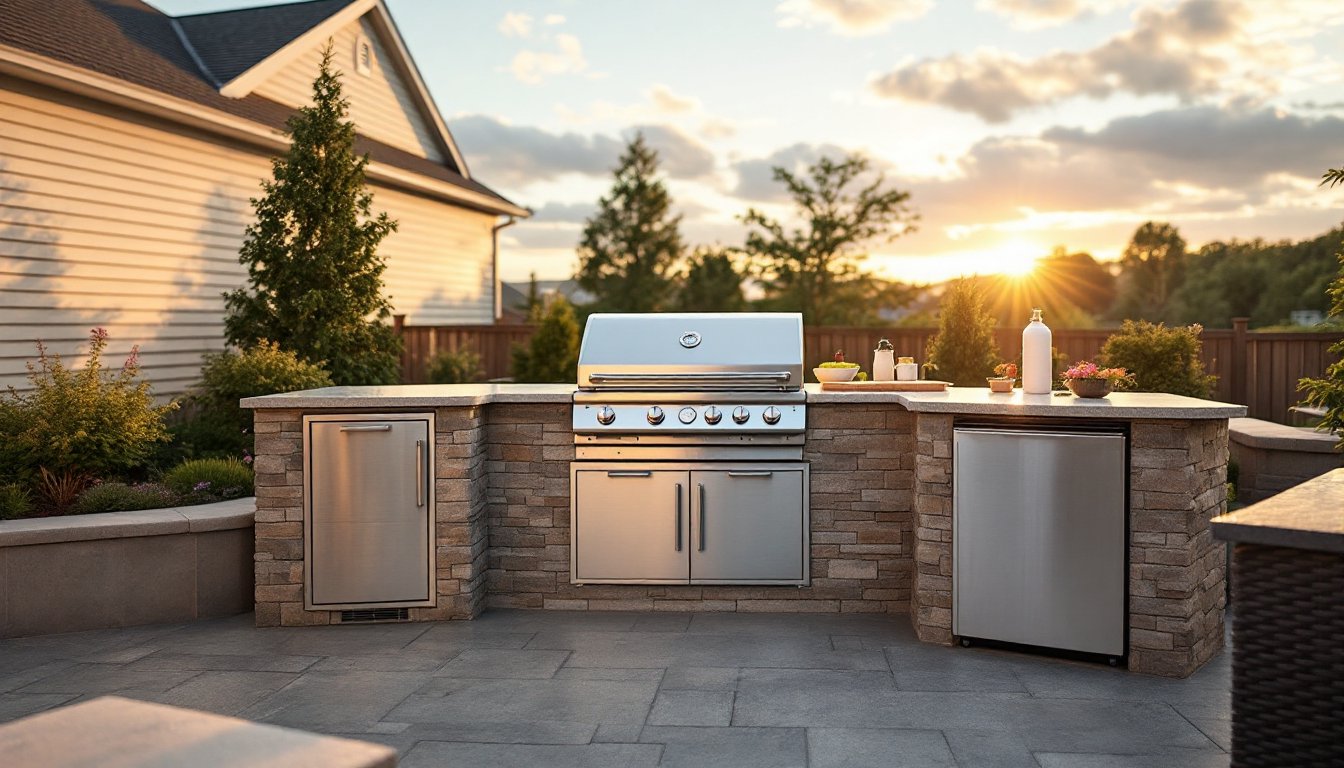
ToggleAn outdoor kitchen with bar seating transforms a backyard into an entertainment hub where homeowners can cook, gather, and socialize without retreating indoors. Unlike a simple grill-on-a deck setup, a properly designed outdoor kitchen with bar seating combines cooking zones, storage, and comfortable dining into one cohesive space. The bar component, with its counter overhang and integrated seating, creates an inviting focal point where guests can perch with drinks, chat with the chef, and enjoy meals outdoors. This guide walks through the practical decisions every DIYer should make before breaking ground.
Key Takeaways
- An outdoor kitchen with bar seating transforms your backyard into a functional entertainment hub where guests can socialize, watch the cooking action, and dine comfortably without retreating indoors.
- Standard bar counter height should be 36 inches with a 12–15 inch overhang and 27–30 inches of clearance underneath to ensure comfortable seating and safe movement for bar stools.
- Position your bar perpendicular or adjacent to the primary grill to maintain efficient workflow, prevent bottlenecks, and manage ventilation without compromising cooking space.
- Essential features include a sink with hot/cold water, adequate task lighting, proper ventilation (range hood), and weather-resistant countertops like granite or quartzite that withstand outdoor elements for decades.
- Invest in marine-grade or exterior-rated cabinetry, stainless-steel hardware, and cushioned bar stools with backrests to ensure durability and guest comfort during extended entertaining.
- Enhance the outdoor kitchen experience with overhead shade structures, zone heating (radiant heaters or fire pits), and landscape privacy screens that extend the entertaining season and define the space as a genuine outdoor room.
Why Add Bar Seating to Your Outdoor Kitchen
Bar seating elevates an outdoor kitchen from functional cooking space to genuine living area. Instead of standing at the grill while guests cluster awkwardly in lounge chairs, bar seating creates a natural gathering spot, people can sit at counter height, watch the cooking action, and participate in conversation without formal dining setup.
This layout also maximizes efficiency. A bar counter serves double duty: prep and cooking surface, plus guest accommodation. You’re not sacrificing workspace: you’re making the space work harder. For smaller yards, this dual-purpose design means a compact outdoor kitchen doesn’t feel cramped.
Bar seating also sets a more relaxed, casual tone than formal outdoor dining tables. It encourages mingling, keeps energy dynamic, and makes entertaining easier, no need to ferry plates and drinks between kitchen and distant dining area.
Essential Layout and Design Considerations
Counter Height and Overhang Dimensions
Standard bar counter height is 36 inches (measured from finished ground to countertop surface). This differs from standard kitchen counters at 34–35 inches, so don’t skip this detail, wrong height makes seating uncomfortable and throws off the entire aesthetic.
The overhang, the portion of counter extending beyond the support structure, must be at least 12 to 15 inches to accommodate seated legs comfortably. Code doesn’t mandate this, but ergonomics do. Anything less than 12 inches feels cramped: anything more than 18 inches requires additional support posts underneath (additional cost and visual clutter).
Clearance between the underside of the overhang and the floor should be at least 27 inches to allow barstool users to slide in and out without bumping their thighs. A 30-inch clearance is better and more forgiving for larger seats.
Bar stools themselves typically have a 24-to-30-inch seat height depending on the bar height and style. Swivel or backrest-equipped stools cost more but improve comfort and safety, guests are less likely to tip.
Flow and Functionality Planning
Position the bar so it doesn’t block the main cooking zone. If the grill or main prep counter is behind the bar, cook space gets crowded and ventilation becomes tricky. Ideally, place the bar as a secondary workspace or service counter, perpendicular or adjacent to primary cooking equipment.
Consider the walking path from house to outdoor kitchen. A good bar doesn’t create bottlenecks or force guests to navigate around the chef. Traffic flow prevents tripping hazards and makes entertaining stress-free.
Think about shade, wind, and sun exposure. A bar positioned full-west gets brutal afternoon heat: east-facing bar areas bake guests during morning prep. Overhead shade structures (pergola, awning, or retractable shade cloth) aren’t luxuries, they’re practical for extended entertaining and comfort. Similarly, prevailing wind can blow smoke or odors directly into the bar area, so position accordingly or plan windbreaks.
Must-Have Features and Equipment
A functional outdoor kitchen bar needs a sink with hot and cold water, don’t skip this. Washing hands, rinsing vegetables, and cleaning up mid-party are essential. A simple two-handle faucet works, but a pull-down sprayer is worth the extra cost for versatility. Ensure the water line runs buried below frost line (varies by region: check local code) or use insulation to prevent freeze-damage in winter climates.
Ice storage or a mini cooler built into the bar counter keeps drinks cold without constant trips indoors. A small undercounter fridge or ice maker runs $800–$2,500 depending on size and features. It’s not mandatory, but it’s one of those touches that makes the space feel complete.
Adequate lighting is often overlooked. Overhead string lights or recessed fixtures in a soffit provide ambient light, but task lighting (under-counter strips or directional fixtures) over prep areas prevents shadowy corners and makes cooking safer. LED strips are durable outdoors and energy-efficient.
Gas or charcoal grilling is the centerpiece. A built-in grill ($600–$3,500+) paired with side burners or griddle gives flexibility. If budget-conscious, a freestanding stainless-steel grill set into the counter surround works and is easier to replace if it fails.
Ventilation must be planned early. A chimney or vent hood draws smoke away from the bar and guests. Without it, smoke drifts into faces and lingers in the space. Commercial-grade hoods are overkill for residential work, but a range hood rated for outdoor use (stainless steel, durable electrical connections) is worth it.
Materials and Durability for Outdoor Spaces
Outdoor countertops face relentless sun, moisture, and temperature swings, standard kitchen counters don’t survive. Granite or quartzite are popular choices: non-porous, heat-resistant, and attractive. Granite requires periodic sealing: quartzite is engineered to be more durable. Both run $60–$150 per linear foot installed, but they last decades outdoors with minimal fuss.
Stainless steel tops are sleek, easy to clean, and cooler in summer, but they show fingerprints constantly and can feel institutional. Concrete is budget-friendly ($30–$80 per linear foot) and customizable, but it cracks under freeze-thaw cycles in cold climates and requires periodic sealing.
Cabinetry must be marine-grade or exterior-rated plywood with stainless-steel hardware. Standard kitchen cabinets swell and rot in outdoor moisture. Teak or cedar frames withstand weather longer than painted softwood. Expect to spend 30–50% more for outdoor-rated cabinetry than interior equivalents.
Grill surrounds and fascia can be stucco, stone veneer, or composite board. Fiber-cement boards resist moisture better than untreated wood. If using stone, ensure the mortar is rated for outdoor use (not standard interior grout).
Undercounter appliances (coolers, ice makers, mini fridges) must be stainless steel or powder-coated for rust resistance. Check manufacturer specs, not all appliances are rated for outdoor installation. Temperature fluctuations can shorten lifespan, so ventilation around units prevents overheating.
Creating Comfort and Ambiance
Seating comfort hinges on barstool selection. Cushioned stools with backs cost more ($150–$400 each) but prevent fatigue on longer evenings. Swivel bases let guests rotate to watch the action or face the conversation. Foot rests at 24 inches high (for 36-inch bars) give legs proper support, without them, seating feels awkward and dangling.
Heating extends the entertaining season significantly. An overhead radiant heater or fire pit nearby keeps guests comfortable on cool evenings. These aren’t central heat: they’re zone heating, so position them to warm the bar area without blasting everyone.
Music and entertainment options make the space feel special. A weatherproof outdoor speaker mounted on a soffit or pole ($150–$500) plays music without competing voices. A small TV or projection screen is optional but increasingly popular for sporting events.
Landscaping and privacy complete the vibe. Tall hedges, privacy screens, or bamboo behind the bar create a defined outdoor room feel and block wind. Container plants with tough perennials (ornamental grasses, evergreens) add greenery without high-maintenance gardens competing for attention.
Finishing touches, outdoor bar mats, stemware racks, or open shelving for glassware, make the space feel intentional and curated. Small details signal that this is a genuine entertaining space, not an afterthought.